
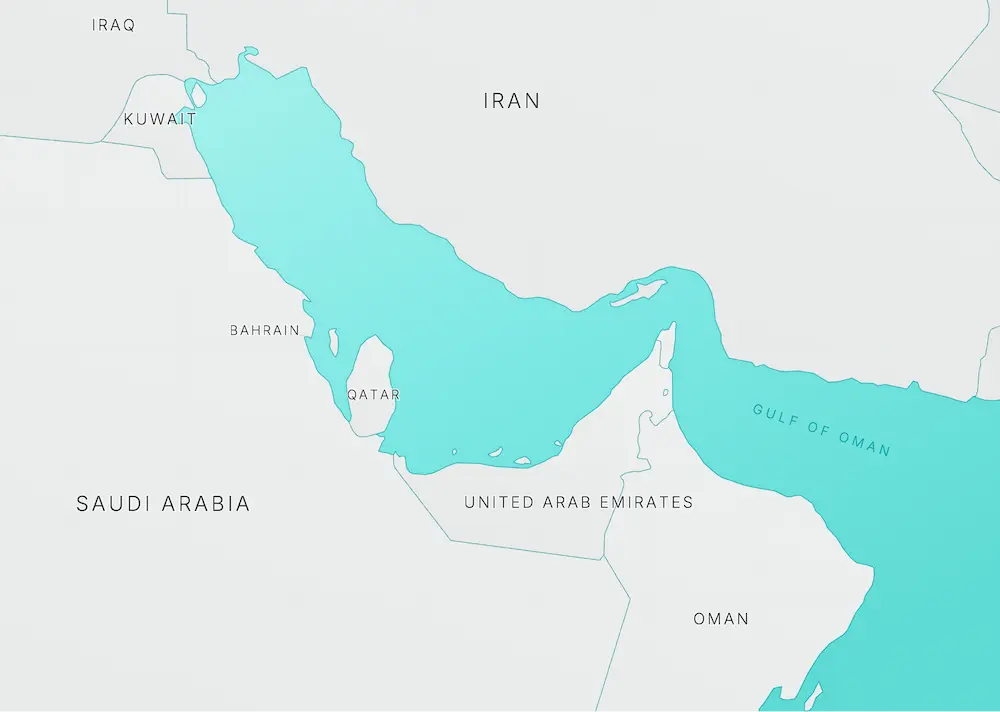
Over 90% of the Gulf’s desalinated water flows from less than 60 plants. In 2026, for the first time, some of them sustained direct damage.
Resilience is now the design principle. Desolenator builds the layer it requires: 1,000 to 10,000 m³ of ultrapure water a day, running on solar or waste heat, btreating any saline water source, with zero brine waste.

Water scarcity is a global constraint now, and the search for answers is global too. Desolenator is one of 20 semi-finalists from 674 teams in the XPRIZE Water Scarcity competition, sponsored by the Mohamed bin Zayed Water Initiative: a five-year challenge to produce 1,000 m³ of clean water a day from seawater, reliably, affordably, and sustainably at scale.
Learn about the competition ↗











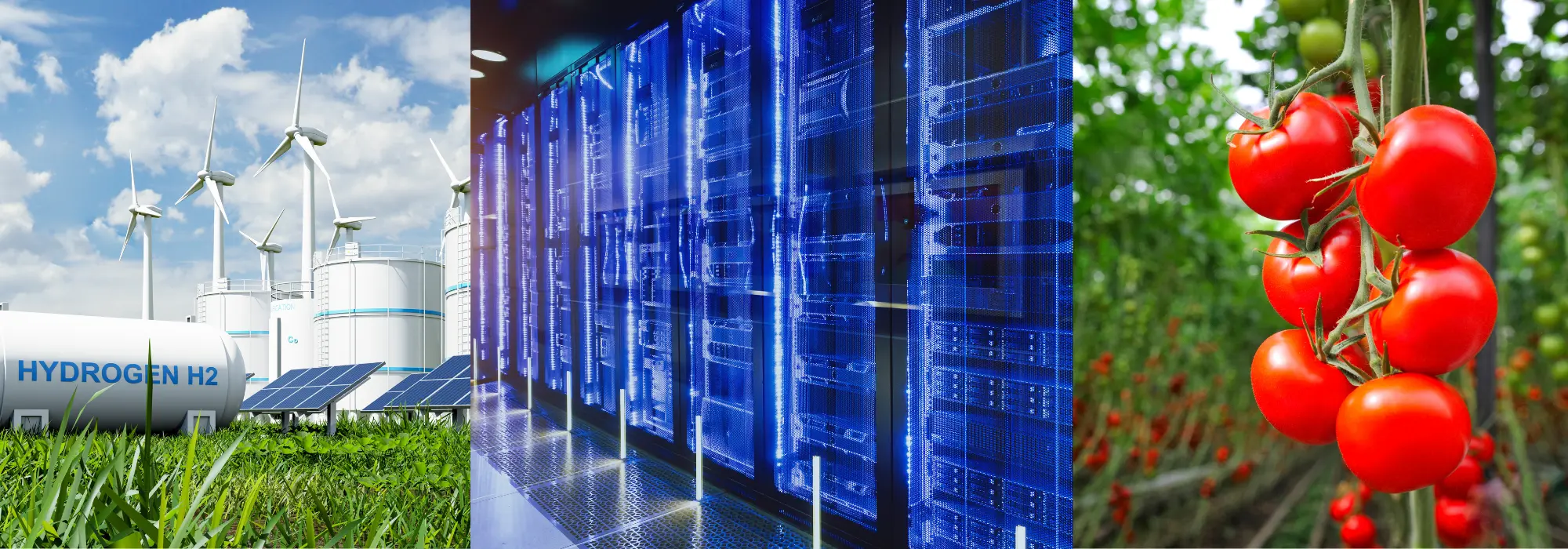
The water-energy-food nexus underpins resilience across industries and society.

Desolenator has innovated a fundamentally different clean water supply architecture. The shift from centralized, energy-intensive desalination plants to distributed, energy-efficient solar or waste-heat-driven solutions is the structural change this thirsty world needs.
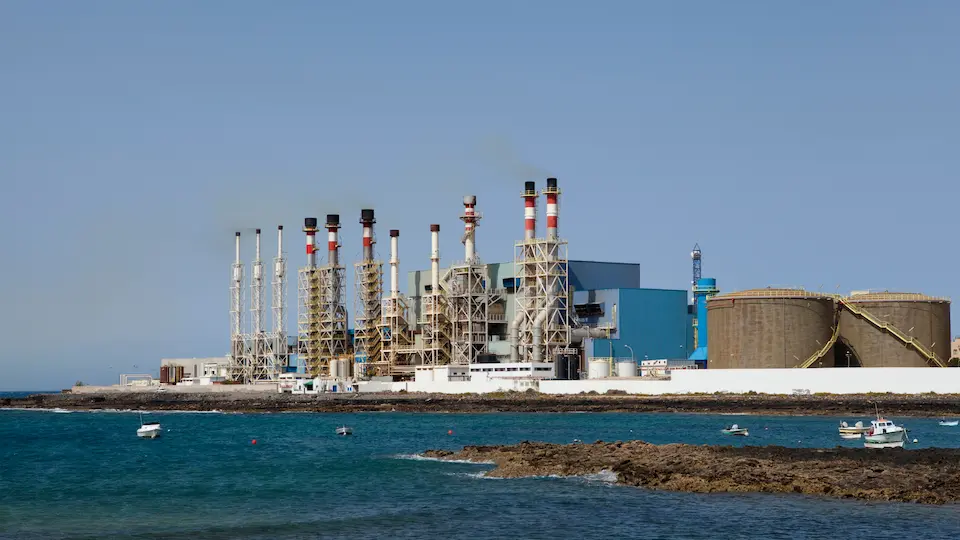

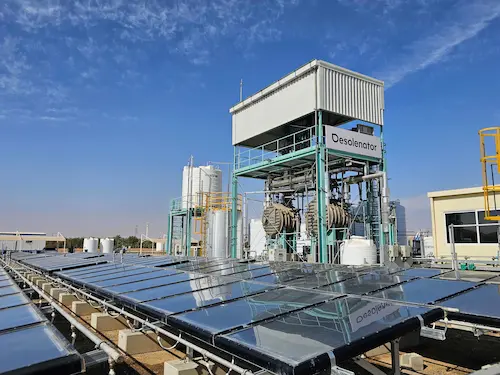
Containerised, modular, thermally driven: built to sit beside the backbone, not compete with it.
The new paradigm: Decentralized water-energy nexus.
Centralised capacity remains the backbone of national water supply. Around it, sits a layer of distributed, flexible nodes that offer resilience to decentralised communities and critical industrial infrastructure . Desolenator is that layer: robust, reliable, sovereign, and very low maintenance.
Flexibility. Any water in, any specification out, on waste heat or solar. Rigid assets fail on the one input they were never built for: in a crisis, the one you get.
Systemic value. Each module offers more than just water. Rejected heat becomes the energy input, a neighbour’s wastewater effluent becomes feedwater, brine becomes saleable salts rather than an outfall, and efficient cooling is offered for industrial applications.
Sovereign supply chain. Built and serviced in the region. An asset shipped out for every service is not resilience; it is a dependency with better branding.
5 Core Principles for resilient water infrastructure in the new paradigm.
Five sectors. One decentralised water nexus.
One decentralised desalination platform. Desolenator uses solar thermal energy or low-grade industrial waste heat to treat saline or contaminated water and produce ultrapure water, for less than $1 USD per 1,000 litres.


A resilience asset you cannot build and service yourself is a dependency.
Desolenator already operates in the Gulf, with delivery and engineering teams on the ground across two live deployments. From there, the roadmap is structured and time-bound: local content rising at every stage, skilled hires in-region, and the company’s centre of gravity moving to where the water is needed.


One dedicated team. One challenge.
Desolenator has been engineering circular desalination since 2013: four international patents, two plants operating in the UAE, and ISO 9001, 14001 and 45001 certification behind them. Driving it, over a hundred years of combined engineering experience in a diverse team speaking thirteen languages, with some of the biggest names in desalination backing it.
A solid track record
ISO 9001, ISO 14001 and ISO 45001 certified. Four international patents filed, with two more planned in 2026. Chaired by Paddy Padmanathan, former CEO of ACWA Power, who built $120 billion of desalination and solar assets across the region and puts it plainly: water is now front and centre in terms of national resilience. Advised by Leon Awerbuch, holder of 28 desalination patents and former president of the International Desalination Association.

MENA-Lead Alp Katalan takes the stand
Latest updates



Desolenator: Your partner in water resilience.